Tag Archives: fall gardening

How to Grow Cauliflower in the Fall

Cauliflower can be a tricky crop to grow, especially for southern gardeners. A member of the cabbage or brassica family, cauliflower thrives in the cool temperatures of spring and fall. While cauliflower may survive light frosts, it isn’t winter hardy, so growing it in much of the Southeast means finding a sweet spot between temperatures that are too hot or too cold. These tips can help you grow finicky fall cauliflower with success.

When to Plant Fall Cauliflower

Southern gardeners can grow cauliflower anytime the weather is consistently cool and they can avoid the risk of hard frosts. For those in the Deep South, cauliflower may be a good winter crop.

Cauliflower is highly sensitive to temperature. It grows best when the temperature is consistently between 60° and 65°F. If the temperature is too hot, cauliflower will form stunted heads and bolt, or go to flower prematurely. Wait to plant cauliflower outdoors until temperatures are consistently below 75°F.

You also want to plant your cauliflower early enough that you can harvest the heads before it gets too cold. Cauliflower can tolerate light frosts, but prolonged exposure to temperatures below 32°F will damage the curds, making them rubbery.

Days to maturity can vary for cauliflower depending on the variety you select, when you plant, and the weather. For fall-planted crops, we recommend adding 15 days to your cauliflower variety’s expected ‘days to harvest’ to account for dwindling fall light. Those days should begin when you transplant the cauliflower out into the garden, not when you start seeds indoors.

Start Your Cauliflower Indoors

While you can direct-sow cauliflower, for fall gardens its best to start your plants indoors. Even if the weather is still too hot for cauliflower to germinate and grow, you can get the plants started in a cool spot indoors.

Cauliflower can get leggy and weak without adequate light. Most growers will find they need supplemental lighting to start cauliflower and other plants indoors.

Read more about starting transplants indoors here.Cauliflower plant in raised bed

Soil Preparation

Cauliflower can also be picky about its soil requirements. If possible, have your soil tested. Cauliflower thrives in fertile soil with a pH between 6 and 7.

For good production, cauliflower needs consistent nutrients throughout its growing period. Amend your soil with finished compost or aged manure before planting. Fertilize with a well-balanced fertilizer if necessary.

Transplanting Cauliflower

After hardening off, transplant your cauliflower seedlings out into the bed on a cool, overcast day. Cauliflower needs plenty of space as it matures, so plant it 18 to 24 inches apart in rows 30 inches apart.

Watering, Weeding, and Care

Cauliflower requires consistent moisture throughout its growth period to produce firm, nicely flavored heads. Cauliflower plants that experience drought can develop off-flavors or a mushier texture. Water consistently if you’re not getting at least one inch of rain per week, especially if you have sandy soil, which drains more quickly.

Ensuring your plants aren’t competing with weeds will also help your cauliflower develop. Weed frequently using a hoe to kill small weeds, but be careful not to damage the plants. Using mulch can also help reduce weeds and keep the soil cool and moist.

Cauliflower Pests & Diseases

Unfortunately, cauliflower is susceptible to several pests and diseases, including cabbage worms, flea beetles, black rot, and downy mildew. Cabbage worms, also called cabbage moths or cabbage loopers, are what we most frequently see gardeners struggling with, and they can be particularly troublesome in the fall after breeding all summer.

To conquer the cabbage worms, visit our guide to organic cabbage worm control.

Cauliflower plant with small head forming
Buddy431, CC BY-SA 3.0 <https://creativecommons.org/licenses/by-sa/3.0>, via Wikimedia Commons

Blanching Cauliflower

If you want white cauliflower, you need to blanch the curds. When the white head or curd begins to form, tie the top leaves together over it to protect the curd from sunlight, which causes the curd to yellow. 

Don’t do this for purple or yellow cauliflower or romanesco! They need the light to develop full color.

Harvesting Cauliflower

Cut your cauliflower heads when they are large and firm. If you leave them too long, the curds will become loose and open, and they will lose flavor. Usually, this is slower in the cool temperatures of fall and winter. Don’t harvest when heads are wet, or the curds will mold in storage.

Cauliflower heads will typically last a week or two in the refrigerator when harvested properly. You can also blanch and freeze cauliflower for later use.
Winter Lettuce Production

In much of the Southeast, it’s challenging to get good lettuce production during the summer. We get a few cool weeks in the early spring before the heat sets in, and our lettuce bolts and turns bitter. In years like this, where hot, dry weather lingers, fall production can be challenging, too. Thankfully, winter lettuce production is surprisingly easy. 

While lettuce isn’t technically as cold-tolerant as some of the tougher greens, you can still produce good lettuce with a bit of protection and proper care.

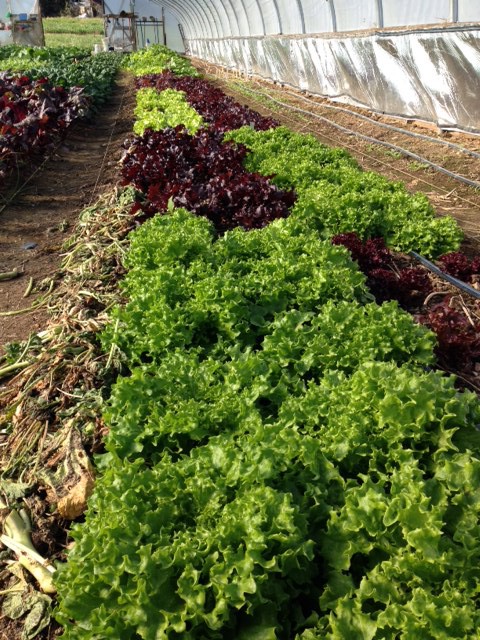
Lettuce in the hoophouse at Twin Oaks

Season Extension for Lettuce

In some areas of the Deep South, you get away with growing lettuce in the field with no additional protection. However, lettuce isn’t incredibly frost tolerant, so in most places, you need to provide some additional frost protection.

Unheated greenhouses, cold frames, and high tunnels offer the most protection while still providing plenty of sunlight. These are ideal for mountainous areas where serious cold protection is needed.

That said, you can usually get away with more affordable and accessible options. Row cover and low tunnels made with clear plastic and wire hoops can give you a cheap, easy-to-install method of season extension. Note that low tunnels and row cover can reduce airflow, potentially encouraging pest and disease issues, so it’s important to stay vigilant and open them when possible.

In very cold temperatures, you can combine the two methods. You can use row cover to provide an extra buffer for lettuce growing high tunnels and greenhouses.

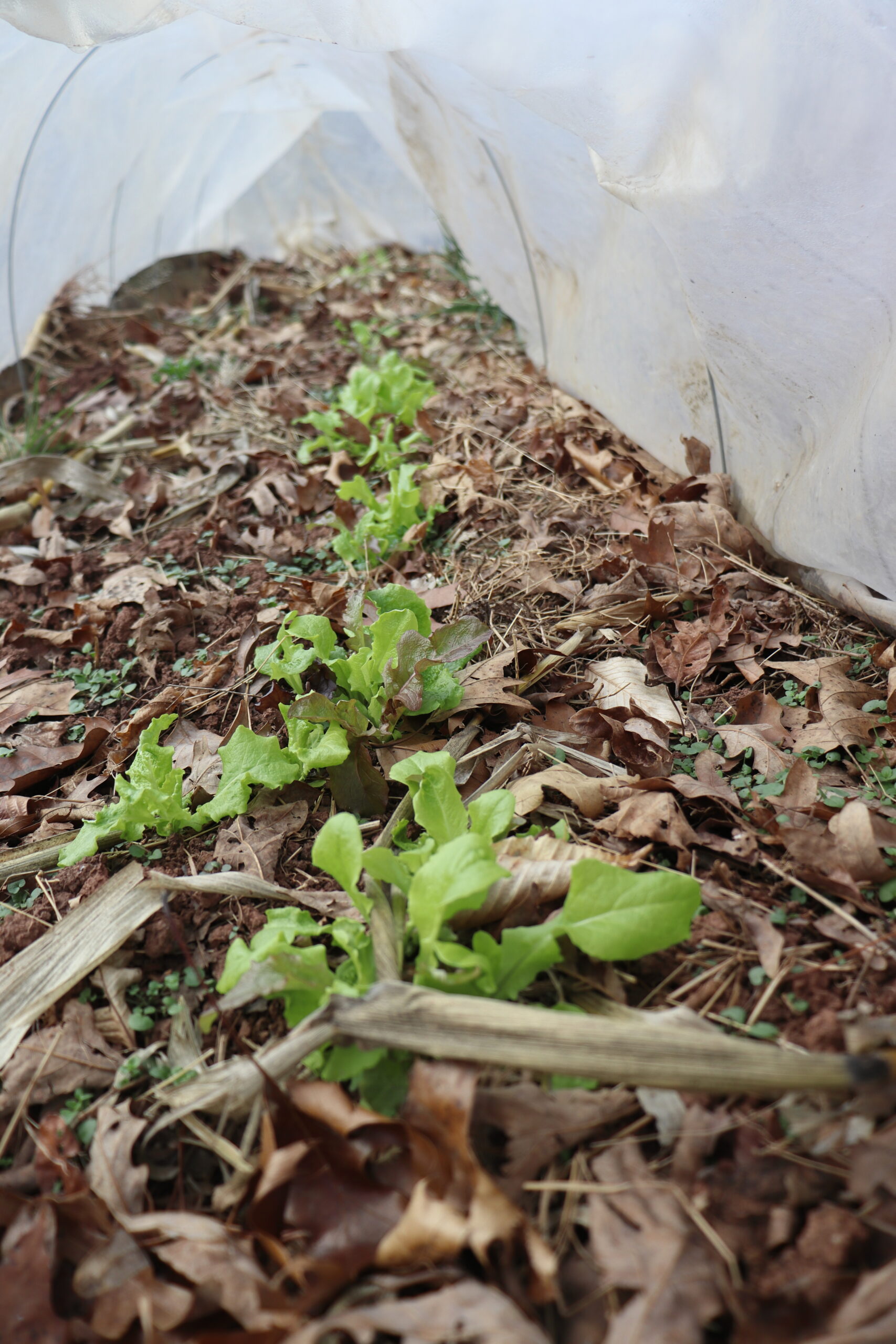
Winter lettuce growing in a low tunnel

Winter lettuce seedlings growing in a low tunnel

Lettuce Soil Requirements

Lettuce is generally considered an easy crop, but like any crop, it will perform better with optimum soil conditions, particularly during the winter. It thrives in well-drained soil with a pH between 6.0 and 6.5.

It often surprises new growers, but lettuce is a heavy feeder because it grows so quickly. It benefits from soil rich in minerals and organic matter, so amending your soil with compost before planting is a good idea. You also want to consider this when planning your cover crops and crop rotation. 

Especially if you have struggled with lettuce in the past, a soil test is a great tool that will allow you to amend your soil appropriately. 

Lettuce Seeding

In the Southeast, we can get away with seeding lettuce pretty late into the fall. You can continue direct sowing as long as your soil temperature needs to be above 32°F. However, that doesn’t mean you will get quick growth.

Cold temperatures, cloudy days, rain, snow, and limited daylight can all affect lettuce growth. It may feel like your lettuce isn’t growing at all. It’s not unusual for lettuce to take up to an additional 30 days or even longer to mature over the winter. Getting seeds in the ground in the fall is helpful for winter harvests. Additionally, you’ll begin seeing faster growth as the days grow longer in February and spring. 

When seeding your winter lettuce, sow seeds about 1/4 inch deep. The spacing you need for for rows of lettuce depends on what size you intend to harvest your lettuce at.

Generally, when harvesting lettuce during the winter, we harvest it as baby greens. This means we get to enjoy a harvest a bit earlier. It also protects the lettuce. Smaller lettuce is much more frost and cold-tolerant than mature heads.  For baby lettuce harvests, you can get away with 4-inch row spacing, but closer to 12 inches for mature heads is ideal.

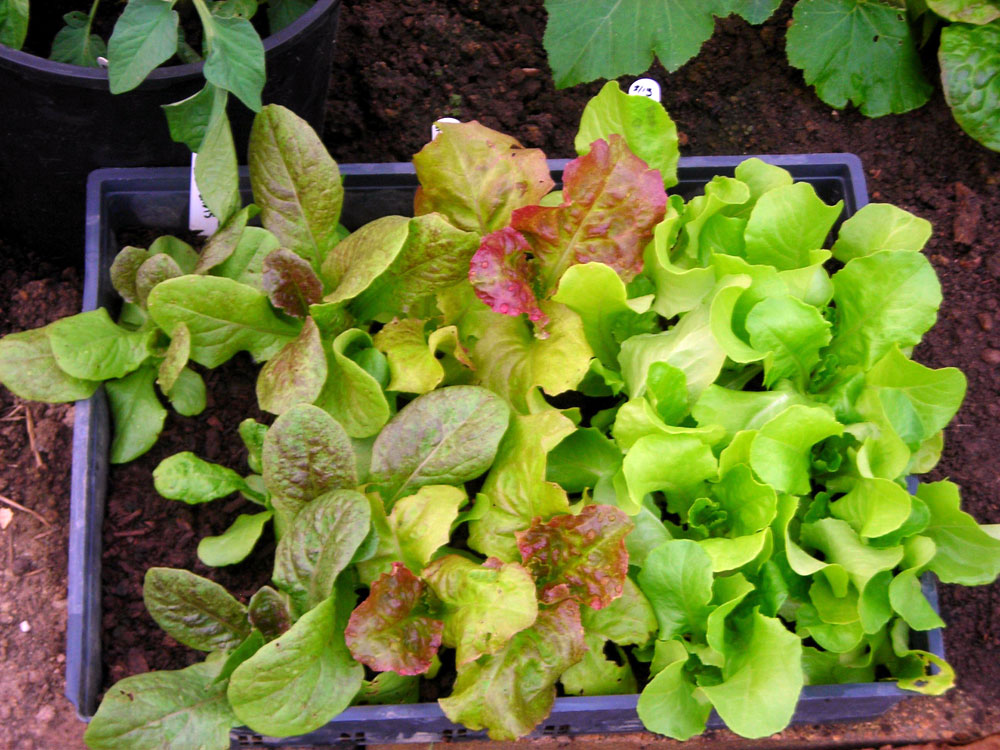
Winter lettuce transplants in a tray
Winter lettuce transplants

You can also transplant lettuce. Transplanting is a great way to keep successions going, get seeds started faster, and fill in any gaps in your cold frame, hoop house, or other bed throughout the winter.

Winter Lettuce Care

Winter lettuce tends to be a bit more hands-off than spring lettuce, but that doesn’t mean there’s nothing to manage. Weed pressure is less in the winter, but you should remove any fall weeds as these can be harbors for pests and diseases. 

You should also continue to water lettuce through the winter. As it grows more slowly, winter lettuce has lower moisture needs but still requires periodic watering to keep the soil moist in low tunnels, cold frames, greenhouses, and high tunnels.

It’s critical to keep water off the leaves when watering, as this can encourage disease and frost issues. Water lettuce at the base. Drip irrigation or soaker hoses are ideal.

You also want to keep your lettuce from overheating and offer good airflow whenever possible.  On warm and sunny days, vent high tunnels, cold frames, greenhouses, and low tunnels whenever possible. 

Despite the cooler temperatures, pests and disease can still play a role in winter lettuce production, partly because of the minimal airflow and moisture associated with season extension devices. Watch for pests like aphids, mites, and white flies, as well as fungal diseases like powdery mildew, dampening off, and bottom rot and bacterial diseases like soft rot.

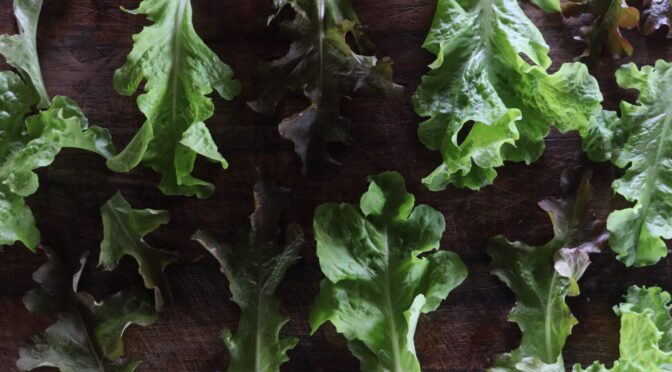
Quan Yin Batavian Lettuce

Lettuce Varieties for Winter Production

When selecting lettuce for the winter garden, you may want to choose varieties different from what you would usually pick for gardening in the Southeast. Cold-hardiness and disease resistance are of the utmost importance during for winter production. 

Here are a few of our favorites:

Winter Lettuce Harvest

As mentioned above, harvesting your winter lettuce as baby greens is ideal. If possible, harvest lettuce when the leaves are dry and gently cut the leaves with scissors or a knife. Especially in cold weather, lettuce is easy to bruise. 

You can store lettuce in the fridge, but for best results, we recommend harvesting just before you’re ready to eat. 


You can grow lettuce all winter long in the Southeast using a few basic strategies. Keep growing this winter, and enjoy fresh, crisp salads!

When to Plant a Fall Garden

Growing a fall garden allows us to extend our season and get more vegetables, herbs, and flowers out of our space. In Virginia, where we’re located and farther south, it gives us a second opportunity to enjoy some cool-weather-loving crops like peas and spinach for a second time. However, as we’ll discuss below, the name fall gardening can be a bit misleading, you will be harvesting in the fall, but for many crops, you’ll be sowing during the summer.

When Do I Start My Fall Garden?

The short answer is it depends. Where you’re located and what you choose to grow will dictate the sowing times for your garden. The first step is to consider you’re hardiness zone and determine your first frost date. Then look at the days to maturity for crops you’re considering planting.

While frost may seem like the primary factor in a fall garden, you must also consider the day length. During the fall, the days rapidly get shorter, and this, rather than cold temperatures, slows crop growth.

To take this into consideration, you want to add 14 days to the days to maturity time for any variety you’ll direct sow and 14 to 28 days for any variety you will be transplanting. This longer period helps account for setback and transplant shock. 

Once you have your days to maturity plus the added days for daylight, you can count backward from your first frost date to determine your last possible start date. 

For example, let’s say we wanted to plant Capitan Bibb lettuce (62 days to maturity) in a zone 6b garden with an estimated first frost of October 20th. We’ll take 62 days and add 14 days because we’ll be direct sowing it, to get a total of 76 days. If we look at a calendar and count backward 76 days from October 20th, we get August 7th. Therefore we can sow Capitan Bibb lettuce up to August 7th in this garden and expect harvests. 

At 62 days, Capitan Bibb is also a rather quick-maturing crop. If you want a fall garden, it’s best to start planning early! In zone 7a, we begin direct sowing slower maturing crops like cauliflower as early as June 1st.

Garden Apps and Calendars

These days, gardening apps can be very helpful for determining planting dates. Our own garden planner features planting dates based on your zip code. The Farmer’s Almanac also has a planting date calculator and a first frost date calculator on its website. 

If you’d like a more analog option and are located in zone 7, like we are, feel free to check out our planting list pdf. Also, many states and extension agencies offer planting calendars, so be sure to check your local resources as well. 

What Should I Plant?

You can include a wide array of crops in your fall garden, with the exception of some long-season crops like field pumpkins.

We often lean towards cool-season crops like brassicas, peas, greens, and root vegetables when planning fall gardens. While these may last us longer into fall than their warm-weather counterparts, we can still include them in our plans as well. Especially in southern areas, you can start later plantings of squash, beans, sweet corn, and even tomatoes to ensure second harvests at the beginning of fall. 

In the past, we’ve often set out some tomatoes in the second half of June to ensure we had good production for fall tomato tastings. Here are a few of the crops you can consider planting for fall:

  • Cauliflower
  • Cabbages
  • Summer Squash
  • Beets
  • Beans
  • Peas
  • Southern Peas
  • Chinese Cabbage
  • Swiss Chard 
  • Collards
  • Corn
  • Carrots
  • Lettuce
  • Parsnips
  • Rutabaga
  • Broccoli

Planting in the Fall

There are also a few crops that you can plant in the fall to harvest next season. Some, like bulb onions, brassicas, greens, and certain flowers, we overwinter when they’re still small to get an early spring harvest. Others, like garlic and perennial onions, need a cold period to produce well. 

Planning these out ahead of time can help ensure you get a good selection when ordering. For example, we’re already taking garlic orders, even though we’ll ship it out at the appropriate time during the fall based on your location. 

If you’re always sad to see the garden season come to an end, consider adding more fall crops to your garden this season. Start planning your fall garden now to ensure all your crops are in on time and you have abundant harvests!