Leafy greens are underrated workhorses in the garden. They’re nutritious, easy to use, and highly productive. Unfortunately, the hot weather that arrives all too quickly in southern gardens causes many greens to bolt or start flowering, making them bitter and inedible.
While we enjoy growing and even overwintering tender greens like spinach, endive, lettuce, and Chinese cabbage, we still want to enjoy greens during the summer. These are a few of our favorite heat-tolerant greens that you can grow all summer long to use for salads, sandwich toppings, smoothies, quiches, stir-fries, and more.
Malabar Spinach
The fleshy leaves and ruby-red stems of Malabar spinach make it look like a stunning ornamental, but it’s tasty too! This Asian green makes a wonderful summer spinach substitute, ideal for salads, stir-fries, and thickening summer soups.
Malabar spinach is quite hardy, will regrow even if severely cut back, and will readily self-seed. Thanks to its vigorous, vining nature, it performs best when grown on a trellis. We like to sow them at the base of our spring pea trellises. As the peas start to die back, Malabar spinach begins to flourish in the warm weather, climbing the trellis. It’s the perfect companion plant.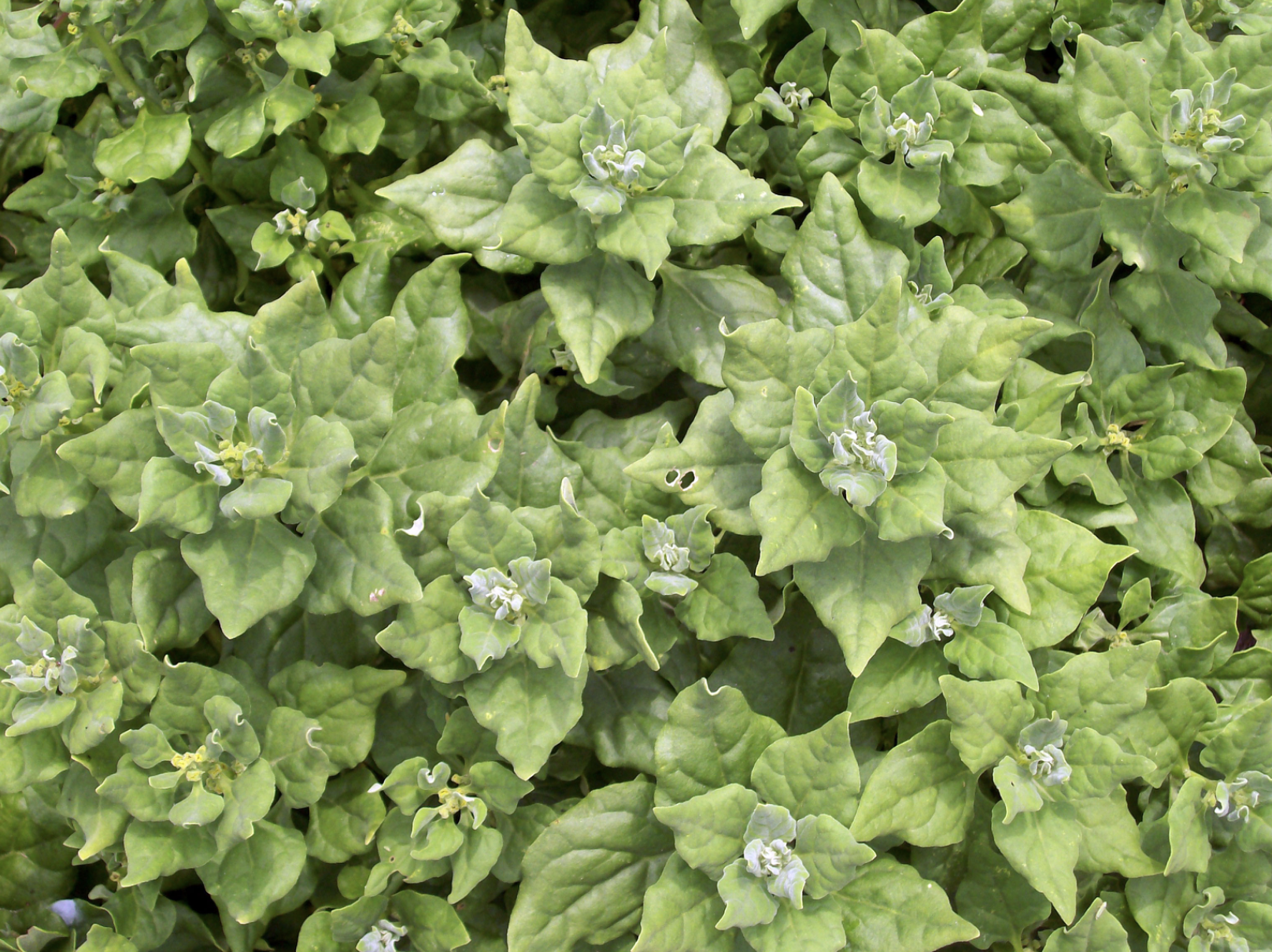
New Zealand Summer Spinach
Introduced to the U.S. in 1772, New Zealand summer spinach is a good spinach substitute for hot weather. While it enjoys similar soil conditions to traditional spinach, New Zealand summer spinach is exceptionally heat and drought tolerant. It’s best as a cooked green.
Before sowing, soak your New Zealand summer spinach seeds for 4 to 24 hours to help speed germination.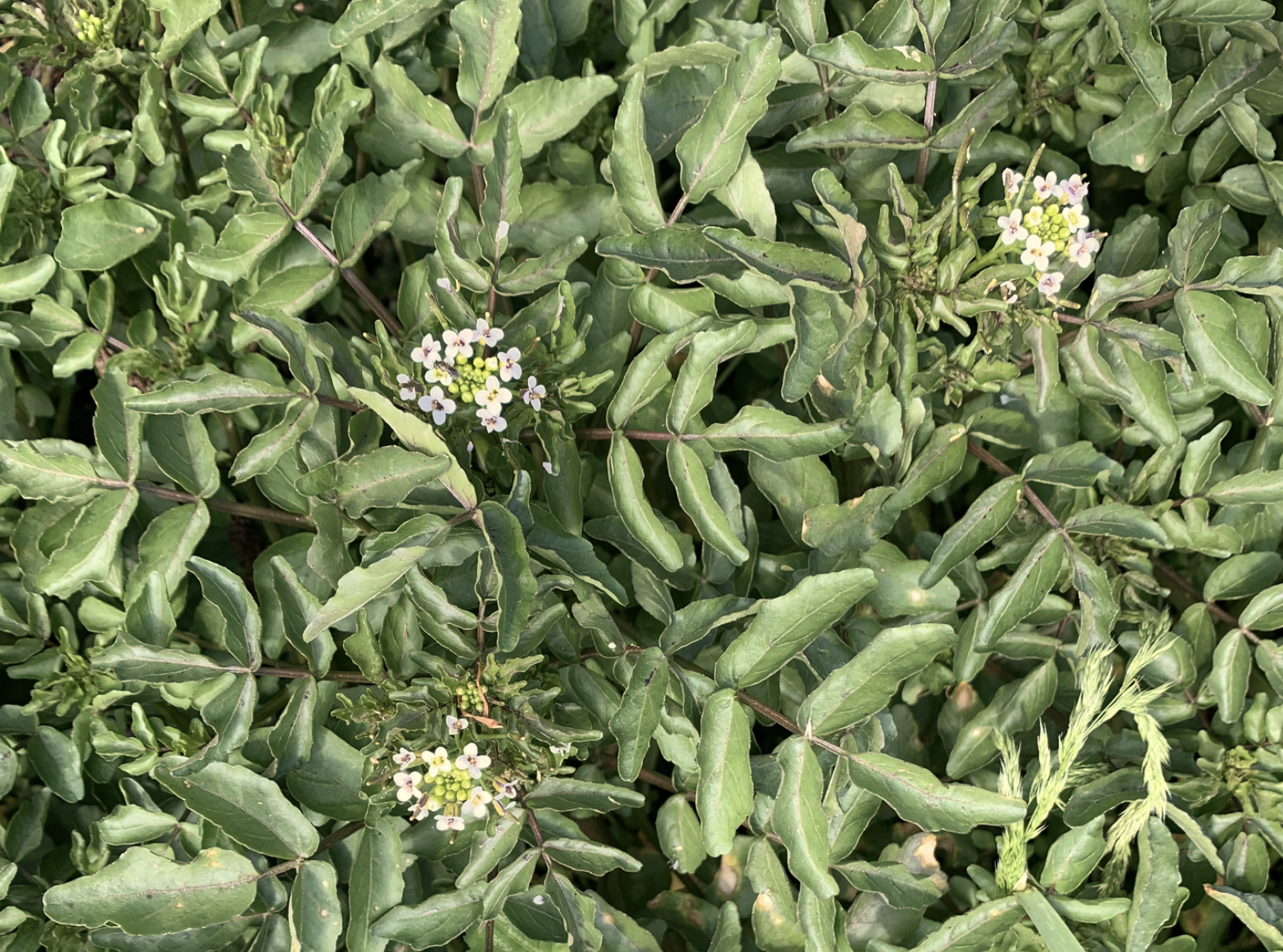
Watercress
Watercress is a leafy, aquatic vegetable with a delicious, peppery crunch that makes it a popular choice for salads and finger sandwiches. While it’s not technically the most heat-tolerant, you’ll need cool water and a bit of shade; it is possible to grow it in summer.
We recommend starting watercress in spring through midsummer. In hot weather, grow your watercress in at least partial shade. The traditional option is to plant watercress into a cool stream of fresh water, but you can also grow it in pots of water or trays in a cool spot; you just need to change the water daily. Use enough water so that the crowns float.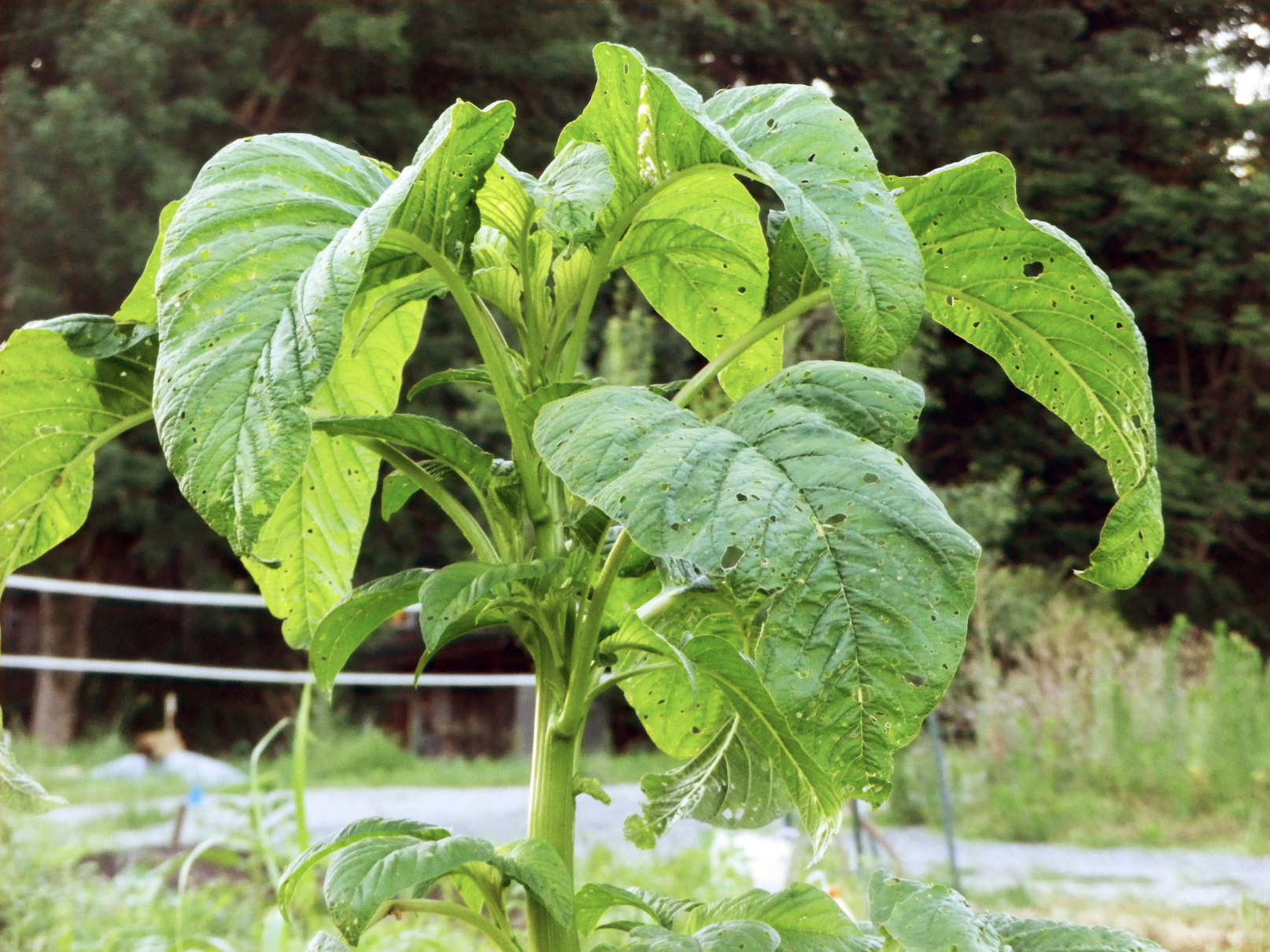
Callaloo Amaranth Greens
We received this delicious Jamaican variety from Melissa DeSa in Florida. It’s a quick-growing, self sowing hot weather green that’s popular throughout the African diaspora, as well as in Asian cuisines. Usually folks enjoy the greens cooked.
After your last frost, direct sow or transplant 3-week-old seedlings. For continuous harvest, plant every 2 to 4 weeks. Space plants up to 18 inches apart. The upright plants can reach 6 to 8 feet tall in favorable conditions! Harvest greens before the plants flower.
Callaloo is tolerant of poor soil, root-knot nematodes, and bacterial wilt. It’s a great green for almost any garden! It also self-sows. Cucumber beetles may occasionally snack on callaloo, but it’s rarely enough to slow down the plant’s growth.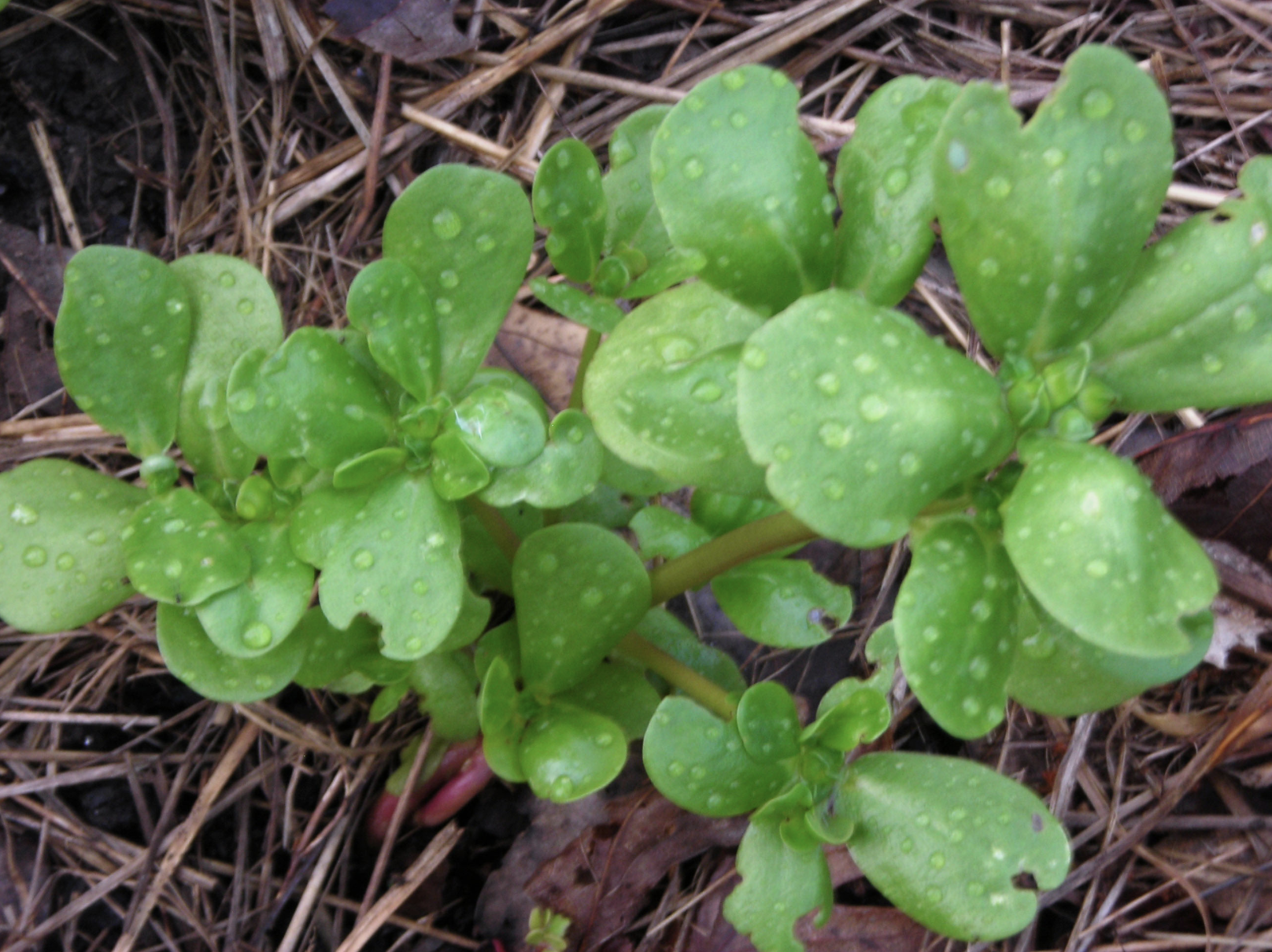
Golden Purslane
Golden purslane features fleshy orange stems and large, succulent leaves that help it survive hot, dry weather. It’s cut-and-come again and offers a slightly tart, lemony flavor that’s perfect for salads. You can also pickle it for later use or use it medicinally. Herbalists sometimes use purslane, and it’s high in omega-3 fatty acids.
Transplant or direct sow your purslane after all chance of frost has passed, and the soil has reached at least 70°F. Purslane needs full sun to thrive.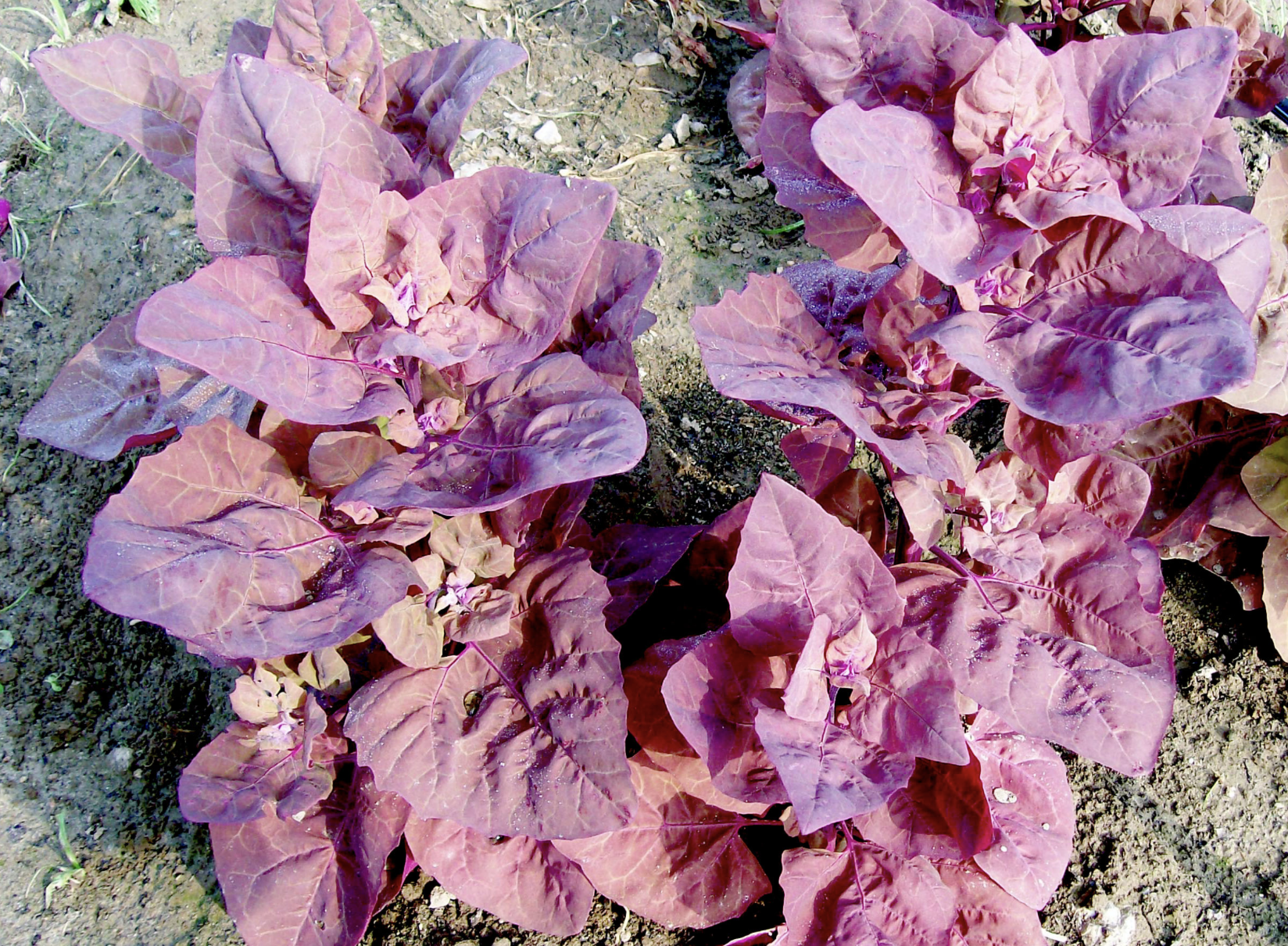
Magenta Magic Orach
Add some color to any salad with magenta magic orach. Magenta magic is the deepest, darkest red of all the orach varieties available. The leaves are slightly spicy and good for salad mixes or sandwiches.
Direct sow your orach after the danger of frost has passed, about 2 inches apart. As the plants grow, thin them to 9 inches apart. You can enjoy the thinned plants. The plants hold their flavor even as they mature in the summer heat. You can continue to harvest leaves as the plants go to seed.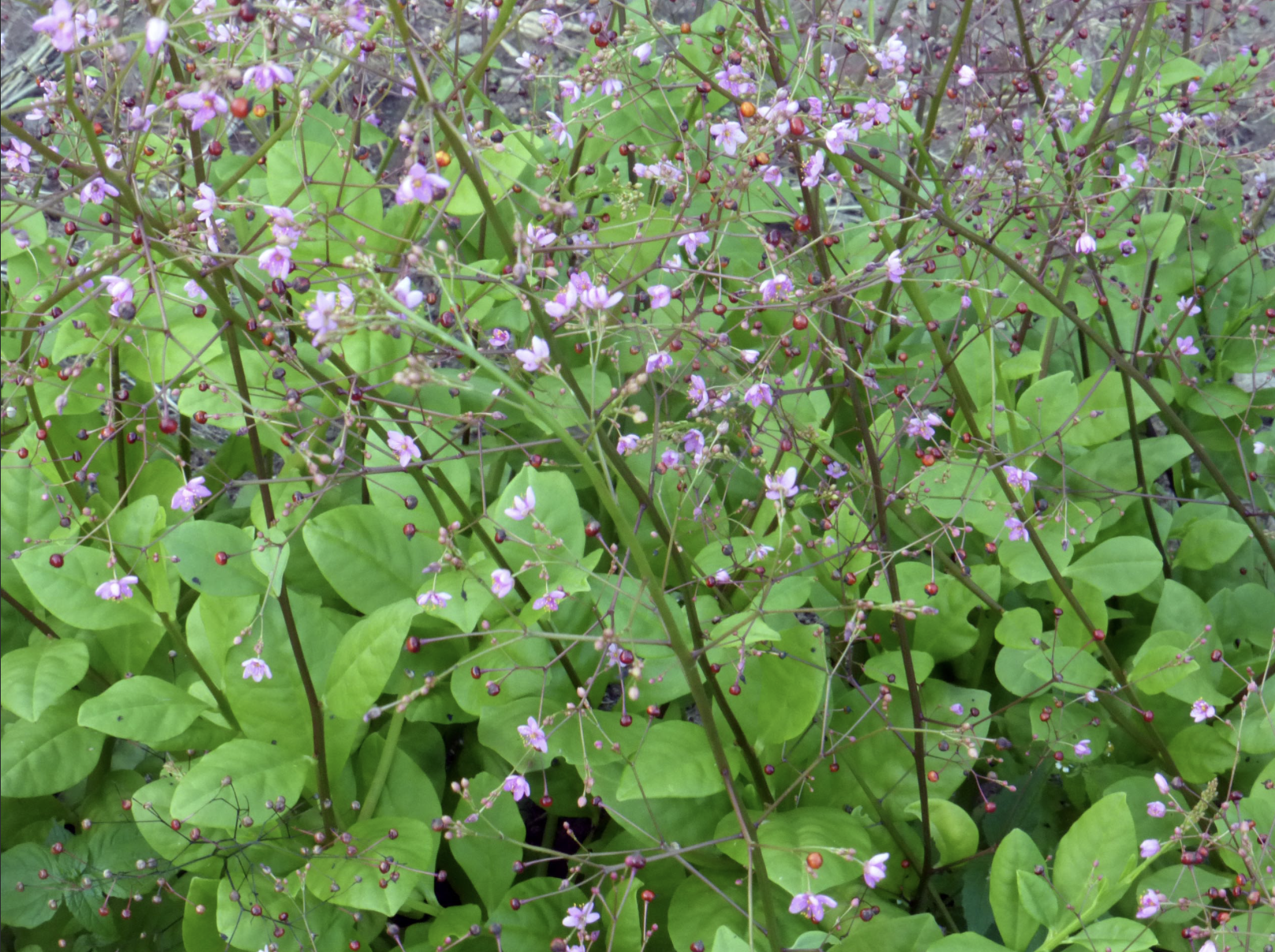
Jewels of Opar (Fame Flower)
A relative of purslane with panicles of little pink flowers, this elegant plant has many uses. The mild, succulent leaves are great in salads, on sandwiches, and as a spinach substitute. The seed stalks are attractive in dried arrangements with seedpods that dry down through shades of orange, red, brown, gold, and grey. Herbalists also use the plant medicinally.
Jewels of Opar is native to parts of the South and the Caribbean. It tolerates poor soil and will grow in full sun or partial shade. Perennial in zones 8 and up, Jewels of Opar also self-sows readily and may naturalize.
Swiss Chard
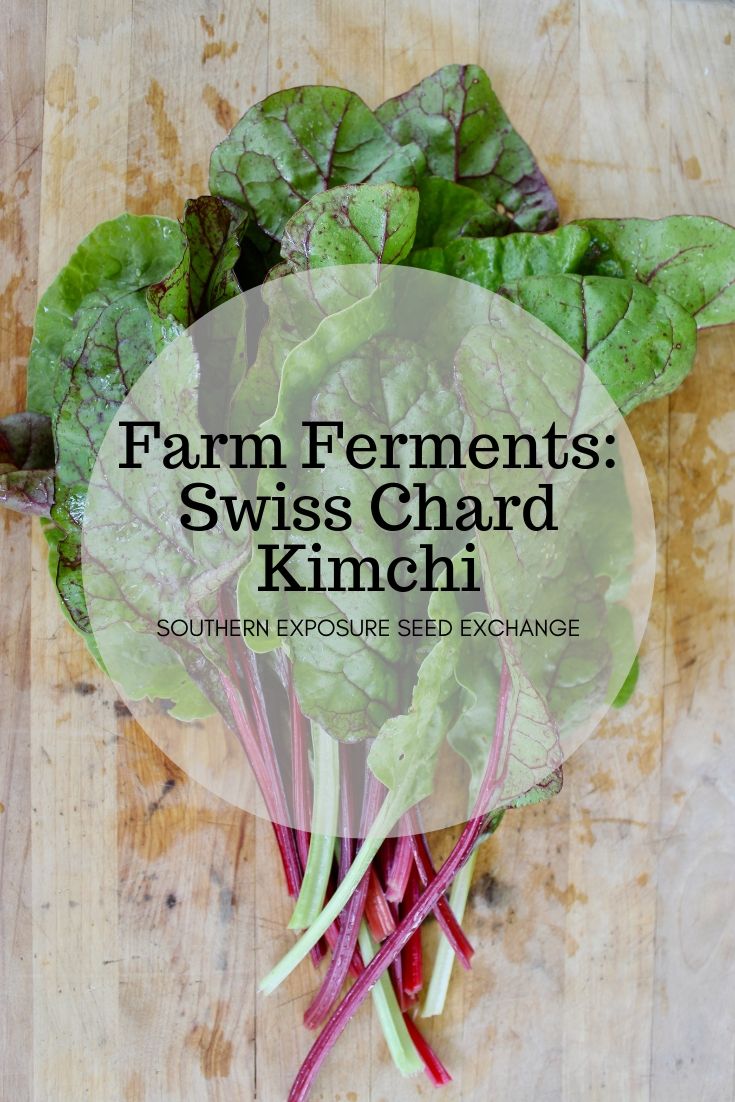
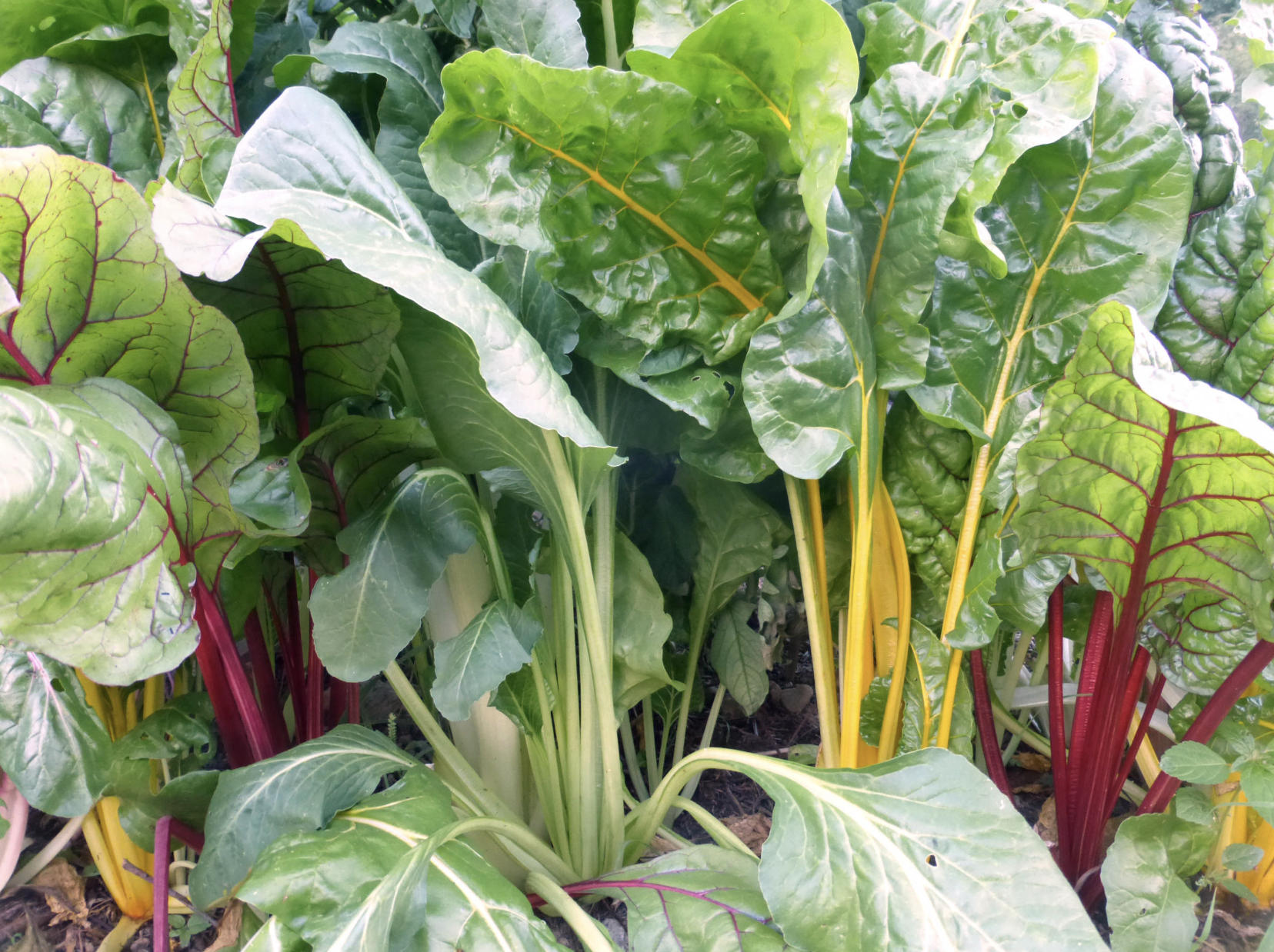
Just a few Swiss chard plants will provide plentiful greens through spring, summer, and fall. In warm climates or with a greenhouse, you may also overwinter Swiss chard, as it withstands light frost.
Swiss chard leaves have an earthy flavor with a hint of bitterness, while the midribs have a slightly sweet crunch that’s similar to celery. Cooking gives chard a mellower flavor, making it ideal for stir-fries.
In the Southeast, blister beetles may attack chard in midsummer. Pick off beetles (wear gloves!), or pull up plants and wait to replant for fall.
Jericho Romaine Lettuce
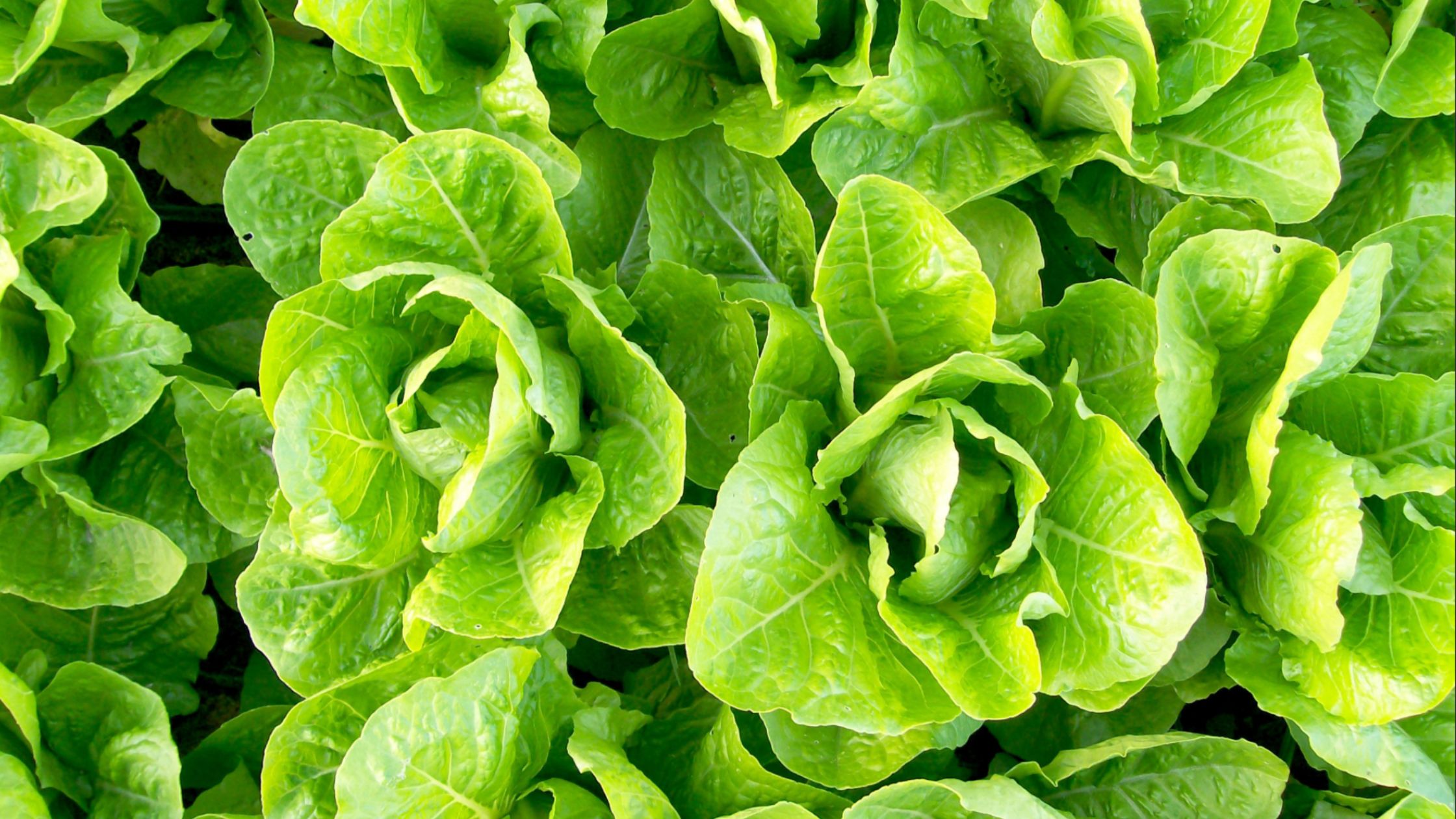
Jericho is among our most bolt-resistant lettuce varieties. Bred in the desert heat in Palestine, Jericho thrives in our hot summers. The tall, heavy, light-green heads retain their sweetness even when other lettuces have gone bitter. Jericho has good tipburn resistance and is a favorite among market growers.
Collards
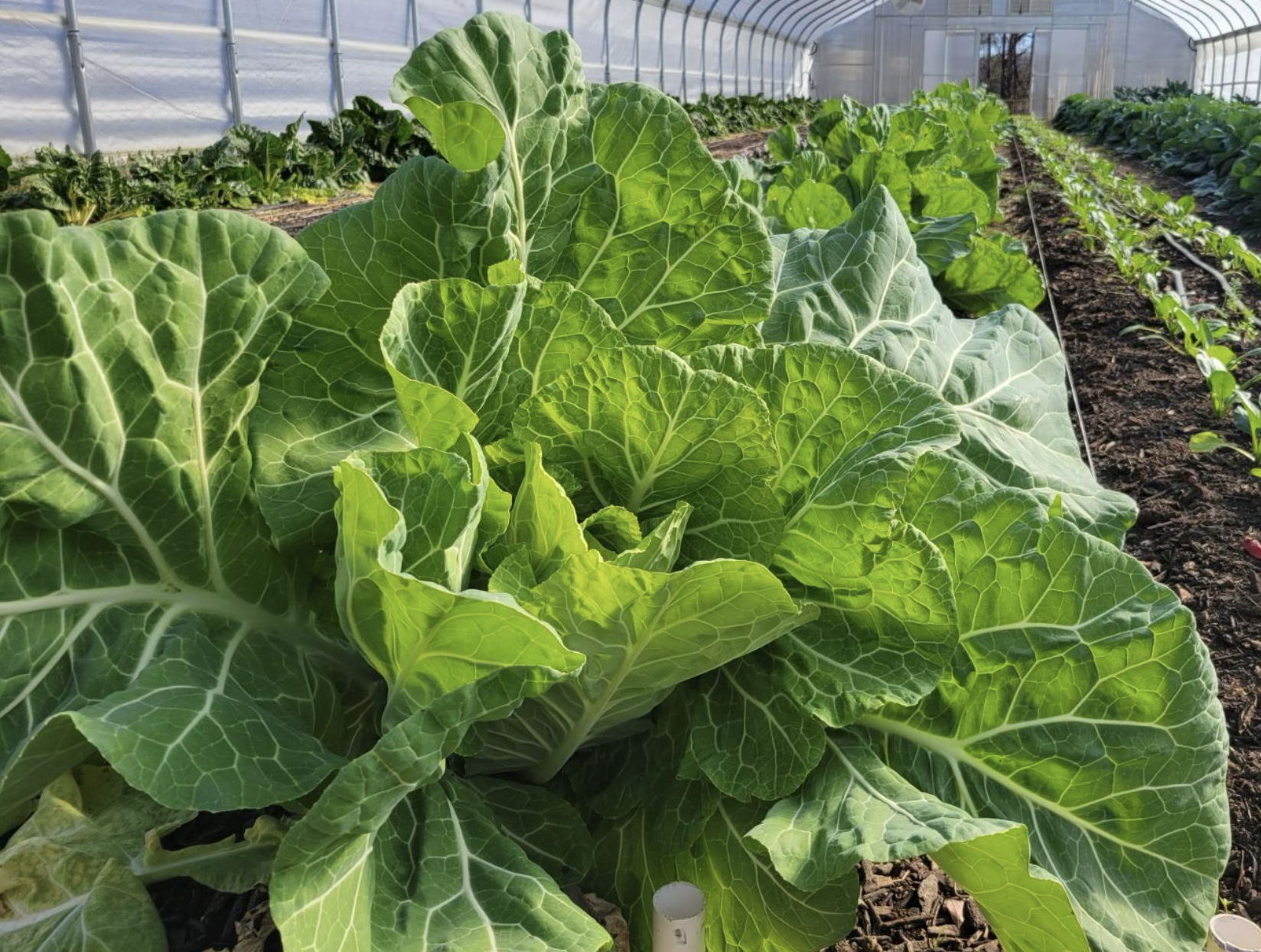
Collards are among our favorites on this list, and we carry so many great heirloom varieties, it’s too hard to pick just one! Collards tolerate heat and cold well, making them a great option for the Mid-Atlantic, Appalachia, and Southeast. They’re tasty, easy to grow, and high in iron and in vitamins A and C.
Folks mostly use collards as cooked greens, but you can harvest young leaves for salad mixes. Some collards, like cabbage collards, have a milder cabbage-like flavor, while some, like Alabama blue, offer stunning color, and others, like Minnie Mizelle, have a classic earthy, mustard-like flavor. Learn more about how to choose a collard variety for your garden.