Tag Archives: hot weather

Hot Weather Harvest: Best Practices

We’ve had some extreme heat in Virginia this summer, and we’re not alone. Extreme heat events are on the rise across the United States. Many gardeners know high temperatures can significantly impact plant growth, causing issues like blossom drop, increased disease problems, and reduced production. Unfortunately, high heat can also affect your freshly picked harvest.

In this post, we’ll talk about how heat may impact your freshly harvested produce and what you can do about it.

How Does Heat Harm Your Harvest?

High temperatures can impact the flavor, texture, nutrients, and appearance of your freshly harvested crops.

Increased Respiration: Hot produce undergoes a metabolic process to consume oxygen and stored sugars and carbohydrates, releasing carbon dioxide, water vapor, and heat. This process can make your produce less sweet, reduce its nutrient value, and change its texture.

Cellular Breakdown: High temperatures can cause cellular breakdown, which causes produce to rot more quickly. The longer your produce stays hot, the lower its shelf life will be.

Wilting: Hot weather harvesting can result in rapid water loss, causing wilting and soft textures in vegetables like collards, cilantro, lettuce, arugula, and basil.Large pile of freshly harvested carrots

Time Your Harvest

As you’d suspect, to keep your produce as fresh as possible, you want to harvest when temperatures are as cool as possible. Early mornings or evenings, when the temperatures are lower, the field isn’t in direct sunlight, and the plants are more hydrated, are the best times to pick your crops. Cooler, cloudy days can also be a good choice if they align with your harvest needs.

Immediately Cool Your Harvest

When you harvest your produce, you want to remove any field heat as quickly as possible. For most crops like broccoli, lettuce, and carrots, the best way to do this is to wash them in cool or cold water. For sensitive crops like lettuce, you can rinse off any dirt in cool water and then place them into an ice bath. This will help the leaves cool off and absorb moisture, keeping them crisp and flavorful longer.

Thoroughly dry any crops you wash or hydro-cool in an ice bath. Damp conditions can encourage the growth of mold and bacteria. A salad spinner is helpful for drying greens.

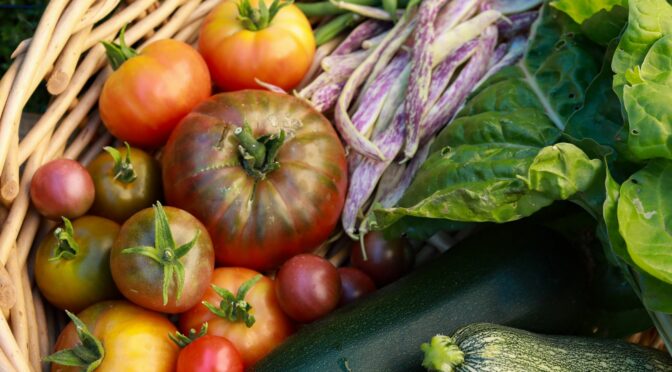
A few hot-weather crops like artichokes, melons, peppers, and tomatoes shouldn’t be tossed into an ice bath or washed immediately after harvesting. For these, move them into a cool space as quickly as possible. Ideally, somewhere with AC.

Hands washing lettuce
Washing lettuce by Bryon Lippincott

Move Your Harvest into the Shade

Move your produce out of the sunlight as quickly as possible. For large summer harvests, it’s best to carry each container of produce into the shade as soon as it’s full before moving on to the next one.

You can also use easy-ups or other shade canopies to temporarily shade the area you’re working in. Prolonged exposure to sunlight can impact your produce’s flavor, texture, and shelf-life.

Store Anything You Won’t Use Immediately at Appropriate Temperatures

Different crops keep best at different temperatures. Some crops like cauliflower, parsnips, and spinach keep well at 32°F. Others, like green beans, watermelons, and tomatoes, will store longer when kept at warmer temperatures between 40°F and 60°F. If you want to keep produce in cold storage, be sure to look up your crop’s exact storage requirements.

Check out the Cornell University Cold Storage Chart & Reference Guide for specifics.
12 Easy Ways to Help Your Garden Thrive in Hot Weather

So far this summer is promising to be a hot one. With the temperatures climbing and much of the east coast worrying about droughts like the ones they faced last summer a productive garden may seem like a mere dream. However there’s several easy tricks that can keep your plants cool, productive, and even lessen your water usage.

Install windbreaks.

Wind tearing through your garden can not only damage plants but also causes soil moisture to evaporate. The easy solution to this is to install or grow windbreaks in your garden. Windbreaks don’t need to be solid and stop all the wind. They can be quickly made from snow or pallet fencing. If you’d like living wind breaks consider tall annual crops, shorter perrenials that won’t shade your garden too much like berry bushes or dwarf fruit trees depending on your space, or hedge species. These should be placed perpendicular to the direction of the wind.

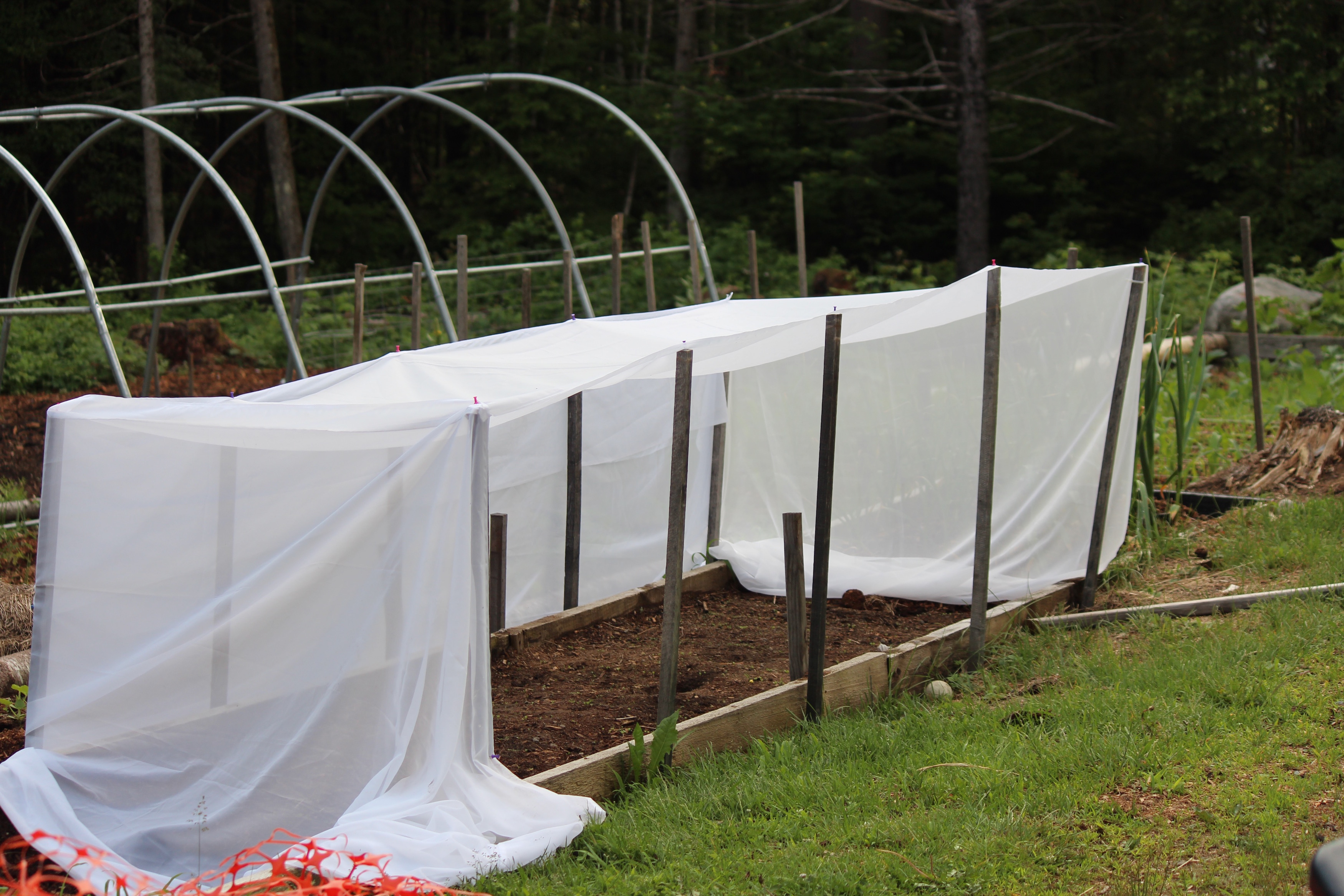
Invest in or diy some shade cloth.

Shade cloth can be super helpful for keeping those cools seaosn plants like peas and spinach producing longer. It can also be used over new new transplants that are adjusting to field conditions or seeds like lettuce that prefer cool soils to germinate.

Use a lot of mulch.

Mulch is one of the easiest ways to keep soil temperatures cooler and moisture levels up. Plus mulch cuts down on the weeding. Great mulch options include grass clippings, straw, hay, or old leaves all of which can be combined with cardboard or newspaper.

Water your garden consistently.

Your watering schedule will obviously be unique to your garden but you sould work hard to maintain moist soil conditions. Waiting for plants to start wilting before you realize it’s time to water harms your plants’ health and reduces your harvest.

Water at the right times.

Watering consistently is half the battle but you should also try to water at the best times of day. The early morning and evening are the best times to water. Less water is wasted waisted to evaporation because it has a chance to soak into the soil before it’s exposed to the mid-day sun and heat.

Practice interplanting.

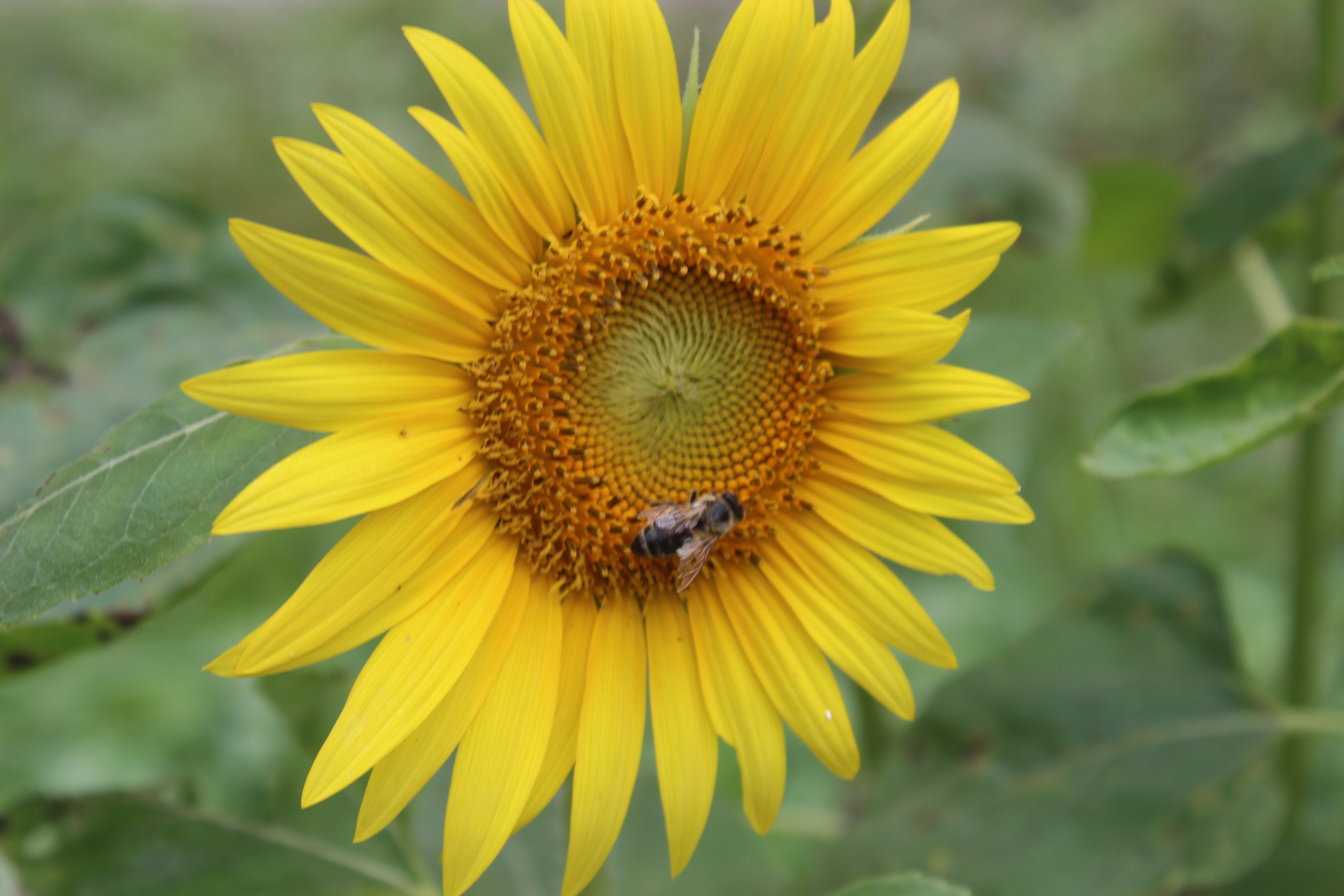
Growing vining plants like watermelons, cucumbers, gourds, squashes, sweet potatoes, and nasturiums under taller plants like corn, sorghum, and sunflowers can help you make the most of your space and keep the soil cool. The vining plants will shade the soil, block weeds, and hold moisture once they’re mature enough.

Check out our The Three Sisters Garden Guide.

Build a shade trellis.

Create a trellis for climbling plants like cucumbers or runner beans and then plant a cool weather loving crop in the shade they create. These trellises are often set up so they’re slanted to provide maximum shade.

Learn more about trellising from Vertical Gardening: The Beginners Guide to Trellising Plants.

Use intensive planting. 

Intensive planting is a principle of biointensive gardening. Plants are grown in beds, not rows and are often planted hexagonally. This style of planting maximizes space. Mature plants may touch leaves but still have plenty of room for their roots. They shade the soil reducing moisture loss and blocking weeds.

Note: planting intensively will work best with healthy soils as you’ll be growing more plants on less space.

Transplant at the right times.

If you’re transplanting crops into your garden it’s best to avoid the heat and sun as much as possible, for your sake and the plant’s! Transplant in the early morning, late evening, or on a cloudy day for best results. The plants will suffer less transplant shock that way.

Catch rainwater around your plants. 

For transplants dig your hole a little extra deep and create a basin around each plant that extends outwards a little beyond the edges of the plant’s crown to funnel rainwater towards the roots.

For planting seeds dig your trench slightly deeper than necessary so that rainwater stills runs down into it even after you’ve covered your seeds.

If you’re feeling really productive go ahead and install some rain barrels on your gutters too!

Choose crops wisely.

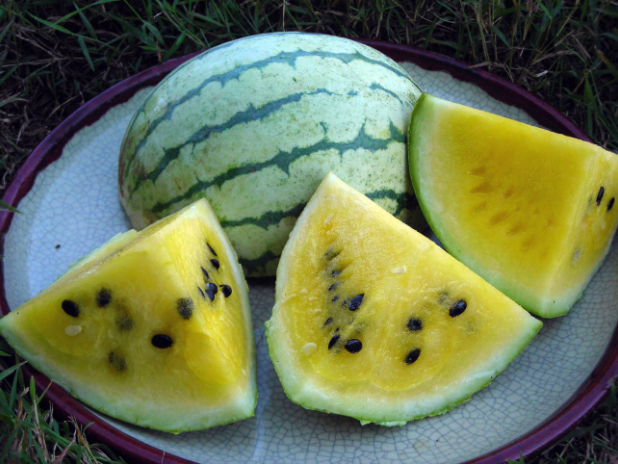
Early Moonbeam Watermelon

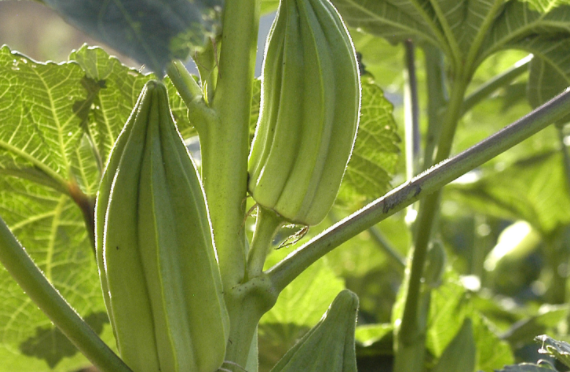
If you live in an area with hot summer temperatures it’s a good time to start direct seeding crops that can handle the heat. These include plants like watermelon, okra, roselle, lima beans, and southern peas.

Learn about Direct Sowing Roselle.

Practice good soil and crop management. 

Whenever gardening you should be thinking about keeping your soil and therefore your plants healthy. Doing maintanence work like crop rotation, cover cropping, and applying compost will keep your soil and plants healthy. Well nourished, disease free plants will tolerate the stress of hot weather much better than those already struggling.

Gardening is never easy but hot weather can be especially tough on you and your plants. Follow these tips for a healthy and productive garden even in hot, dry weather.